
7 Signs Your Denver Home Exterior Needs Repainting
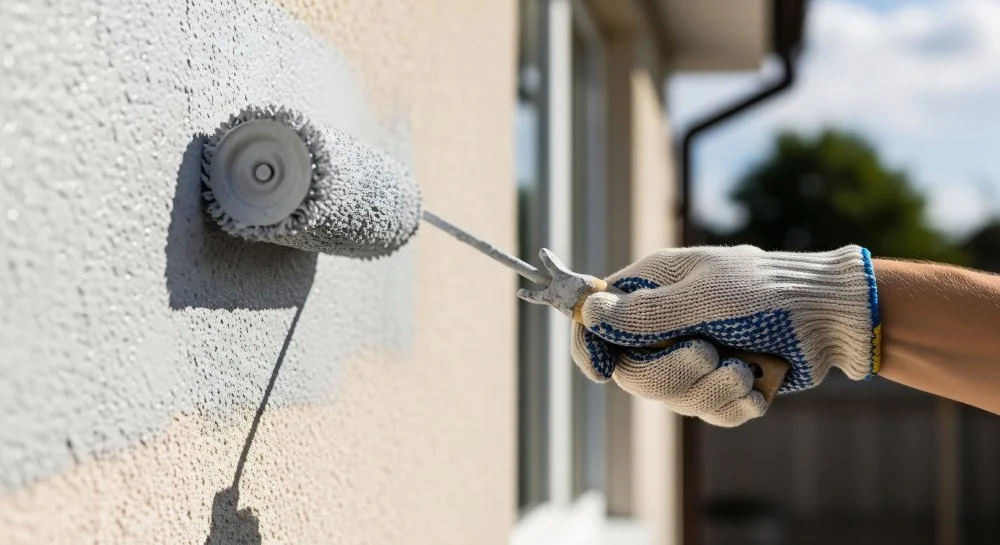
Knowing the signs your house needs repainting can help you avoid costly repairs and keep your home looking its best. In a climate like Denver’s—where sun, snow, and temperature swings are common—exterior paint takes a beating year-round. If you’re unsure whether it’s time to refresh your home, these warning signs can help you decide when to repaint house exterior surfaces before damage worsens.
7 Signs Your House Needs Repainting
Here are the most common signs your house needs repainting that homeowners should never ignore:
Peeling or Cracking Paint One of the most obvious issues is peeling or cracking. These are clear indicators of underlying problems and common exterior paint peeling causes, such as moisture intrusion or poor adhesion.
Fading Color Strong UV exposure can cause paint to fade over time, leaving your home looking dull and uneven. This is especially noticeable on sides of the house that get direct sunlight.
Chalking Residue If you run your hand along the siding and notice a powdery substance, that’s exterior paint chalking. It’s a sign the paint is breaking down and losing its protective qualities.
Mold, Mildew, or Stains Dark spots or streaks may indicate mold on exterior paint, which not only affects appearance but can also damage surfaces if left untreated.
Bubbling or Blistering Bubbles in the paint often result from trapped moisture or heat, signaling that the paint is no longer properly bonded.
Exposed Wood or Bare Spots When paint wears away completely, your siding becomes vulnerable to moisture, rot, and pests.
It’s Been Several Years If you’re asking how long does exterior paint las, most homes need repainting every 5–10 years depending on materials and conditions. If you’re nearing that range, it’s time to inspect closely.
What Causes Exterior Paint to Peel, Fade, or Crack?
Understanding the root causes helps prevent future issues and extends the life of your paint job. Here are some of the things that can cause paint to peel, fade, or crack:
Weather Exposure
Denver’s intense sun, snow, and freeze-thaw cycles can break down paint over time, leading to cracking and fading.
Moisture Problems
Water intrusion is one of the leading exterior paint peeling causes. Poor sealing, damaged siding, or clogged gutters can all contribute.
Poor Surface Preparation
Skipping steps like cleaning, scraping, sanding, and priming can cause paint to fail prematurely. Professional prep—including power washing services—is essential for long-lasting results.
Low-Quality Materials or Application
Using subpar paint or improper techniques can significantly shorten the lifespan of your exterior coating.
Why Waiting Too Long Can Lead to Bigger Repairs
Delaying repainting isn’t just a cosmetic issue—it can lead to structural damage. When paint fails, it stops protecting your home from moisture, pests, and UV rays.
Over time, this can result in:
Wood rot and siding deterioration
Mold growth spreading beneath surfaces
Increased repair costs compared to a proactive repaint
Addressing the signs your house needs repainting early helps preserve your home’s exterior and avoid more expensive restoration work down the line. Investing in professional exterior painting services ensures your home is properly protected with thorough prep and expert application.
Schedule a Free Exterior Painting Estimate
If you’ve noticed any of these signs your house needs repainting, now is the time to act. A professional evaluation can determine the condition of your exterior and recommend the best next steps.
At Master Stroke Painting Services, we provide expert painting services designed for Denver’s unique climate. From detailed prep work and power washing wervices to high-quality finishes, our experienced, insured team delivers results that last.
Don’t wait until minor issues become major repairs. Book a Free Estimate today and let us help you protect and refresh your home’s exterior with confidence.
