
Ceiling Paint vs Wall Paint: What's the Difference?
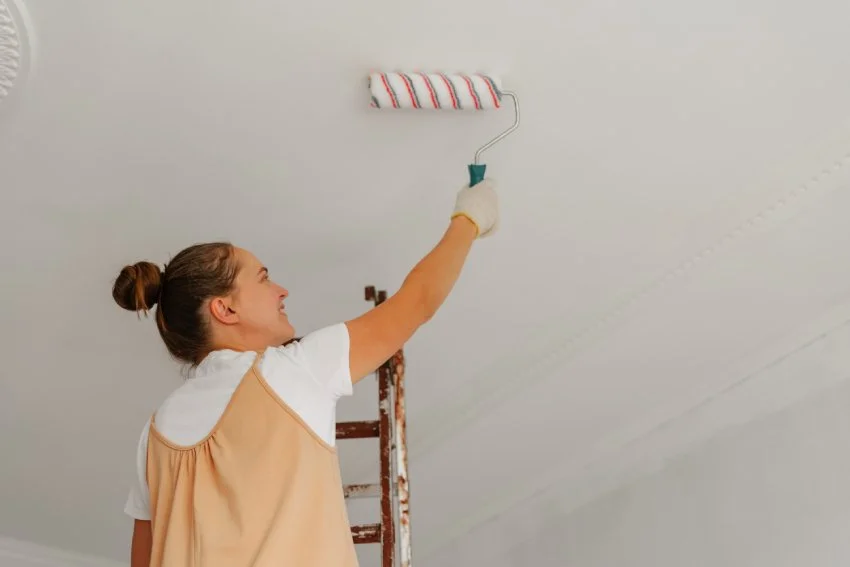
Many homeowners assume all interior paint works the same. That mistake leads to streaks, glare, and uneven color. Understanding ceiling paint vs wall paint helps you avoid redo work and wasted paint.
Ceilings and walls face different lighting, wear, and viewing angles. Because of that, manufacturers design each coating to perform in a specific way. Using the wrong one often looks fine for a week, then defects start showing once light hits the surface.
What is Ceiling Paint?
So what is ceiling paint exactly? Ceiling coatings are thicker and flatter than standard wall paint. They reduce reflection and help hide seams, patches, and roller marks.
Most ceiling paints use a high solids formula. That means fewer drips and better coverage overhead.
Key traits:
Very low sheen finish
Slower drip rate during rolling
Higher coverage per coat
Designed to hide imperfections
Ceilings sit under direct lighting. Even small flaws become visible if the surface reflects light. Flat ceiling coatings scatter light instead of reflecting it, which keeps the surface looking uniform.
Can I Use Ceiling Paint on My Walls and Vice Versa?
Homeowners often ask “can I use ceiling paint on my walls?” to save money or use leftover paint. Technically you can, but results usually disappoint.
Ceiling paint on walls:
Scuffs easily
Hard to clean
Absorbs stains
Wall paint on ceilings:
Shows roller marks
Reflects light unevenly
Highlights drywall joints
Walls need durability and washability. Ceilings need light control. The formulas serve different purposes.
Many house painters in Denver get calls after patchy ceilings appear because wall paint was used overhead. Repainting becomes necessary even though the paint was new.
Can I Mix Ceiling Paint with Wall Paint?
Another common question is: can I mix ceiling paint with wall paint? Mixing seems like a quick fix when paint runs low, but it creates unpredictable results.
Paint formulas contain different binders and flattening agents. Combining them changes drying behavior and sheen level.
Problems you may see:
Blotchy finish
Uneven shine
Weak durability
Poor touch ups later
Even if the color matches at first, repairs later will never blend correctly. Keeping coatings separate ensures consistent appearance across the room.
Let the Professionals Handle It
Choosing the right coating matters as much as the application itself. Proper tools, roller nap length, and lighting direction all affect the final look. Painting services address these details before the first coat goes on.
If you want clean lines and even ceilings without flashing or streaks, reach out to the best team for guidance and scheduling. Getting ceiling paint vs wall paint correct from the start saves time and repainting later.
