
Exterior House Painting Tips for a Professional Finish
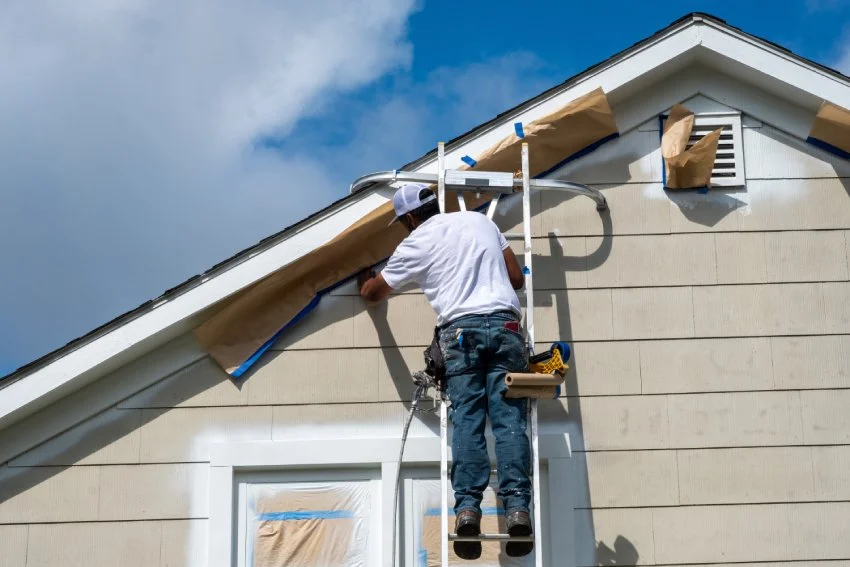
Most exterior paint jobs fail early because of preparation, not paint quality. Good exterior house painting tips always start with surface condition and weather timing. Paint needs a clean, stable surface and the right environment to bond properly.
If you rush prep or paint in poor conditions, the coating peels, fades, or cracks within a year. Done correctly, exterior paint can last 7 to 10 years on siding and trim. The difference comes from process, not product.
Scrape Off Old Paint the Right Way
Before new paint goes on, you must scrape off old paint that has lost adhesion. Painting over loose material traps failure underneath the new coating.
Start by checking for peeling, bubbling, or flaking areas. Use a carbide scraper and remove all loose edges. Do not stop at visible peeling. Continue until you reach firm paint that will not lift.
After scraping:
Sand edges smooth so repairs do not show
Spot prime exposed wood
Fill deep chips with exterior filler
Power washing alone is not enough. Water removes dirt but not failing paint layers. Mechanical scraping prevents future peeling.
Exterior Painting Preparation Steps
Proper exterior painting preparation protects the structure and improves paint lifespan. Skipping these steps is the main reason homeowners repaint too soon. Follow these steps for the best results:
Clean first. Dirt blocks adhesion. Wash siding and let it dry completely.
Repair next. Replace rotten wood and seal cracks around windows and trim.
Then prime. Primer seals porous areas and creates uniform absorption. Bare wood and patched areas always need primer.
Mask carefully. Cover roofs, brick, concrete, and landscaping before spraying or brushing.
A thorough prep job often takes longer than painting itself. That is normal and necessary.
Many homeowners call house painters in Denver after a DIY job fails within two seasons. The usual cause is incomplete prep, not bad paint.
Outdoor Temperature and Its Effect on Paint
Outdoor temperature directly affects curing. Paint does not dry only by air contact. It cures through chemical reaction, which depends on temperature.
Most exterior coatings perform best between 50°F and 85°F.
Too cold:
Paint thickens and will not level
Adhesion weakens
Drying slows dramatically
Too hot:
Paint skins over before bonding
Brush marks remain visible
Lap lines appear
Avoid direct midday sun. Paint shaded sides first, then move with the sun around the house. Early morning and late afternoon provide stable conditions.
Humidity also matters, but temperature controls most failures seen within the first year.
When to Use Emperor Masonry Paint
Emperor masonry paint works best on porous surfaces like stucco, concrete, and brick. These materials absorb water, which pushes standard paint off the surface over time.
Use this coating when walls show moisture staining or when previous paint has blistered. It allows vapor to escape while keeping rain out.
Common use areas:
Stucco exteriors
Concrete block walls
Chimneys
Retaining walls
On wood siding or trim, standard exterior acrylic performs better. Matching the coating to the material prevents premature failure.
Professional painting services evaluate each surface before choosing products. That prevents uneven aging across different parts of the home.
Following these exterior house painting tips helps your finish last longer and look consistent across every elevation. Contact Master Stroke to schedule an estimate and plan your project correctly.
